Source Whole Fresh Potato for Cooking, Pickling, and Processing
Compare 30 listings for whole fresh potato sourced from China. Options include various sizes, grades, and packaging types to meet global export standards and specific culinary needs. Buyers can filter by maturity variety, shape, and certification to find suitable suppliers for wholesale orders.
Key considerations
Products List




Comprehensive Sourcing Guide
Whole Fresh Potato Sourcing Guide
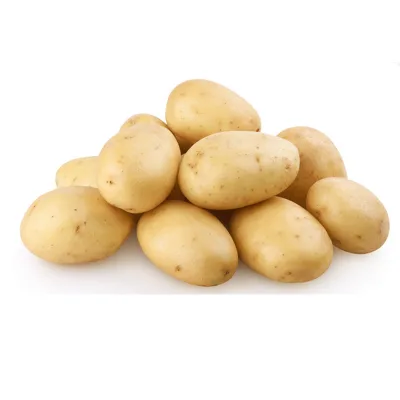
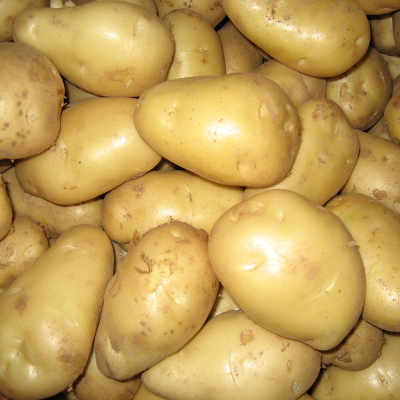
Procuring whole fresh potatoes requires careful attention to variety maturity and physical attributes to ensure the product meets specific culinary or processing needs. Buyers should verify that the supply matches the observed characteristics of medium to early-maturing varieties, which typically present an oval shape and a brown or yellow skin tone. These physical traits are critical for distinguishing between table stock suitable for direct consumption and varieties intended for industrial processing or long-term storage.
The commercial landscape for this commodity often features flexible customization options and diverse packaging formats ranging from mesh bags to cartons. Sourcing teams must confirm that the supplier can accommodate specific weight gradations, such as the observed ranges from 50g up to 200g and beyond, to align with downstream distribution requirements. Understanding these baseline product signals helps prevent mismatches between the ordered specifications and the actual goods delivered from the origin regions.
Product Scope and Observed Listing Signals
The market listings for whole fresh potatoes indicate a primary focus on fresh produce with a strong emphasis on specific flavor profiles and functional benefits. Observations suggest that some offerings highlight a strong pungent and spicy taste, alongside claims regarding health benefits such as antioxidant properties and the presence of essential nutrients like allicin and selenium. Buyers must critically evaluate these functional claims against the actual agricultural reality, as these attributes often depend heavily on the specific growing conditions and post-harvest handling practices employed by the supplier.
Listing signals also reveal a wide spectrum of size specifications, including models ranging from 60g to 250g and broader categories extending up to 300g. This variability implies that suppliers cater to different market segments, from retail consumers seeking uniform sizes to food processors requiring bulk grades. Procurement professionals should cross-reference these observed size models with their internal inventory needs to ensure the selected supplier can consistently deliver the precise weight classes required for their specific supply chain operations.
Technical Specifications to Verify
Technical verification begins with confirming the grade and size consistency, as listings reference standards ranging from premium grades to specific weight bands like 80-150g or 150-200g. Buyers must demand evidence that the delivered product strictly adheres to the agreed-upon size distribution to avoid rejection at the receiving dock due to non-compliance with contractual weight tolerances. The presence of multiple standard definitions in the market data underscores the necessity of defining exact size parameters in the purchase order rather than relying on generic descriptions.
Storage and handling specifications are equally critical, with observed requirements pointing toward cool, dry places or cold storage environments to maintain freshness. The product's shelf life and quality retention are directly linked to these storage conditions, making it essential for buyers to verify the supplier's cold chain capabilities and storage protocols. Additionally, the variety classification, whether early-maturing or medium-maturing, must be explicitly stated to ensure the potato's texture and cooking properties align with the intended end-use application.
Compliance and Safety Documentation
Safety documentation for fresh produce often includes certifications such as HACCP and ISO 9001:2000, which indicate a structured approach to quality management and food safety. While these certifications are observed in the market data, buyers should request current, valid certificates from the specific supplier to confirm that their facilities and processes meet these international standards. Relying on general market claims without verifying the specific entity's certification status can expose the buyer to significant compliance risks and potential supply chain disruptions.
Origin verification is another vital component of compliance, as the data indicates production from regions like Shandong Province and Henan. Buyers must ensure that the documentation accurately reflects the place of origin to satisfy import regulations and traceability requirements in their target export markets. Confirming the geographical source helps in assessing the agricultural practices used and ensures that the product meets any specific phytosanitary or regional trade agreements that may apply to the shipment.
Cost Drivers and Commercial Terms
Cost structures for whole fresh potatoes are influenced by the complexity of customization and the specific packaging requirements chosen by the buyer. The observed availability of customization suggests that tailored packaging solutions, such as specific carton or mesh bag configurations, may incur additional costs compared to standard bulk packaging. Procurement teams should negotiate clearly on whether these customization fees are included in the unit price or billed separately to avoid unexpected expenses during the final settlement of the order.
Lead times and delivery schedules are significant commercial factors, with observed data indicating a delivery window of approximately 15 days after order confirmation. This timeline must be factored into the overall supply chain planning to ensure that inventory levels are maintained without interruption. Buyers should also clarify the terms regarding order confirmation and any potential delays, as the 15-day window may vary based on seasonal availability or logistical constraints in the origin regions.
Supplier Qualification and Quality Control
Supplier qualification should prioritize entities that demonstrate a clear understanding of the diverse product models and standards observed in the market. Given the variety of size models and standards listed, a qualified supplier must show the operational flexibility to produce and ship different specifications without compromising quality. Buyers should assess the supplier's ability to manage these variations through a robust quality control system that ensures consistency across different batches and size categories.
Quality control processes must extend beyond the farm gate to include rigorous inspection protocols before shipment. The presence of multiple grade definitions, from premium to grade B, indicates that sorting and grading are critical steps in the supply chain. Buyers should require detailed inspection reports that verify the final product meets the agreed-upon grade and size specifications, ensuring that the goods received match the samples and descriptions provided during the sourcing phase.
Long-Term Procurement Checks
Establishing a long-term procurement relationship requires regular audits of the supplier's ability to maintain consistent quality and adherence to agreed standards over time. Buyers should implement a schedule for periodic reviews of the supplier's performance, focusing on their ability to meet the specific size, grade, and packaging requirements consistently. This proactive approach helps identify any drift in quality or process deviations before they impact the buyer's operations or customer satisfaction.
Continuous monitoring of market trends and supplier capabilities is essential for adapting to changes in the fresh potato supply chain. As the market offers various varieties and packaging options, buyers must stay informed about new developments and ensure their suppliers remain competitive and compliant. Regular communication and feedback loops with the supplier will help maintain a resilient supply chain capable of meeting evolving demand patterns and regulatory requirements in the global market.
FAQs
What certifications do Luckyfoods fresh potatoes have?
Luckyfoods fresh potatoes are certified with HACCP and ISO9001:2000 standards. These certifications ensure that the production and handling processes meet international quality and safety requirements. Buyers can rely on these credentials for compliance in global export markets, ensuring consistent product quality and traceability throughout the supply chain from origin to destination.
What sizes are available for whole fresh potatoes?
Whole fresh potatoes are available in various size specifications including 50g-100g, 100g-150g, 150g-200g, and 200g and up. Other ranges like 80-150g and 150-250g are also offered. These dimensions cater to different processing needs and retail requirements, allowing buyers to select the exact weight class that fits their specific operational standards and customer preferences.
Can fresh potatoes be customized for specific orders?
Yes, customization is available for fresh potato orders. Buyers can request specific packing methods such as bags, cartons, or mesh bags to suit their logistics needs. The product standard can also be adjusted to meet grade 1 requirements or other customer specifications. This flexibility ensures that the supply aligns precisely with the buyer's operational and quality expectations.
Where are these fresh potatoes originated from?
These fresh potatoes originate from China, specifically from Shandong Province and Henan. The products are exported globally, leveraging these key agricultural regions for production. Buyers sourcing from these locations benefit from established supply chains and regional expertise in cultivating medium and early-maturing varieties, ensuring a steady supply of high-quality oval-shaped potatoes for international markets.
What is the delivery time for fresh potato orders?
The delivery time is typically 15 days after order confirmation. This lead time allows for proper processing, packing, and logistics arrangement to ensure timely shipment. Buyers should plan their inventory accordingly to account for this standard duration. The efficient turnaround supports consistent supply chain management and helps maintain fresh product quality during transit to global destinations.
What packaging options are provided for fresh potatoes?
Packaging options include bags, cartons, and mesh bags. These materials are selected to protect the potatoes during transit and storage while allowing for ventilation. Buyers can choose the most suitable packaging type based on their distribution requirements. The flexible packing solutions ensure that the product remains in optimal condition from the factory floor to the final destination market.